Upgrade Your Residence: The Complete Guide to Choosing the Perfect Hardwood Flooring
Selecting the right hardwood flooring can greatly impact a house's visual appeal and functionality. With many options available, recognizing the best types and styles is important. Elements like coatings, patterns, and cost-related aspects also factor heavily in the selection process. Upkeep practices can further influence the durability of the flooring choice. As residents evaluate these elements, they may find themselves questioning which options will genuinely improve their home interiors.
What Are the Best Hardwood Types for Your Home?
When picking hardwood flooring, which options are most suitable for a home? The choice often depends on factors such as strength, decorative value, and care requirements. Oak remains a top choice owing to its robustness and flexibility, offering a timeless appearance that complements many design styles. Maple, celebrated for its firmness, presents a pale color spectrum, making it a perfect fit for contemporary spaces. Walnut presents a rich, dark hue and is favored for its unique grain patterns, adding warmth to any space. Hickory stands out for its robustness and distinctive variations in color, making it suitable for high-traffic areas. For individuals in search of an environmentally friendly choice, bamboo, though classified as a grass, replicates hardwood qualities and remains environmentally sustainable. Every variety carries distinct characteristics, allowing homeowners to identify the right fit for their living habits and aesthetic tastes. Appreciating these variations is critical for making a thoughtful and educated selection.
Finding Your Hardwood Style
How can homeowners determine the right hardwood style for their space? To arrive at a well-considered decision, they ought to begin by evaluating the general aesthetic of their living space. Homes with a traditional aesthetic may be enhanced by well-established options such as oak or maple, while contemporary spaces might be enhanced by sleek, dark woods like walnut or engineered hardwood. Beyond aesthetics, the size and arrangement of the room serve as critical considerations; larger plank widths can lend an airy and expansive quality to a space, while narrower options may suit smaller areas better.
Homeowners are advised to also assess their existing furnishings and decor. Coordinating the flooring style with the room's furnishings can create a unified appearance. Finally, considering the function of the space is significant. Areas with high foot traffic may call for more durable varieties, whereas less-traveled rooms can support more refined finishes. By carefully assessing these elements, homeowners can identify a hardwood style that aligns with their lifestyle and improves their home's overall aesthetic.
Selecting Textures and Finishes for Your Floor Surfaces
When choosing finishes and textures for hardwood floors, understanding the various finish types is crucial for achieving the desired aesthetic and durability. Furthermore, exploring texture options can improve the floor's overall character and complement the overall design of the space. As a whole, these selections play a critical role in determining the floor's functionality and aesthetic value.
Finish Types Described
Choosing the appropriate finish for hardwood flooring is essential, as it not only improves the wood's organic charm but also influences durability and maintenance. There are several finish types available, each with unique characteristics. Oil-based polyurethane delivers a strong protective layer, providing a deep, amber tint but demanding longer drying times. Water-based polyurethane, on the other hand, dries quickly and retains the wood's original color, making it a popular choice for modern settings. Additionally, penetrating oil finishes nourish the wood while providing a more natural appearance, although they may require more frequent reapplication. Finally, wax finishes deliver a singular, inviting aesthetic but need regular maintenance to keep the surface protected. Identifying the appropriate finish is essential for achieving both aesthetic appeal and functional longevity.
An Overview of Texture Options
Texture serves a vital role in the general appearance and performance of hardwood flooring. Different texture choices can significantly impact the look and sensation of a space. Smooth finishes offer a sleek, modern look, making them well-suited for current design styles. In contrast, hand-scraped textures offer an old-world character, bringing out the distinctive qualities of the wood. Distressed finishes, commonly chosen to create an aged look, can conceal daily scuffs and scratches, making them suitable for busy spaces. Wire-brushed textures produce a delicate, aged appearance, contributing character without overpowering the decor. Essentially, the preferred texture should correspond with personal preferences and the intended atmosphere of the home, guaranteeing a seamless blend with current furnishings.
Budgeting for Hardwood Flooring
How should homeowners plan their budget for hardwood flooring? First, they should determine the total square footage of the area needing flooring, as this will affect material costs. Researching various hardwood types and their price ranges is essential; aspects including species, grade, and finish can greatly influence pricing. It is also important for homeowners to account for extra costs such as underlayment, installation, and any required subfloor repairs.
Determining a practical budget involves addressing both materials and labor. Homeowners can collect price quotes from various contractors to assess pricing for installation and verify they are getting a competitive price. Additionally, they should consider anticipated long-term upkeep costs, as higher-quality hardwood may require less upkeep over time. Finally, budgeting a reserve of about 10 to 15 percent for unexpected expenses can provide a buffer, making certain households stay within their budget constraints while reaching their ideal flooring appearance.
How to Preserve the Beauty of Your Hardwood Floors
Having invested in quality hardwood flooring, keeping it looking its best becomes essential for homeowners. Consistent cleaning is important; using a soft-bristle broom or a microfiber mop helps remove dust and debris without scratching the surface. For deeper cleaning, a solution specifically designed for hardwood floors can be applied sparingly to avoid excess moisture.
Preventative measures also play a significant role. Installing area rugs in high-traffic areas helps protect against damage, while felt pads under furniture legs prevent scratches. It is also important for homeowners to monitor humidity levels, as extreme humidity or dryness has the potential to distort the wood.
In addition, quick action on spills is vital; removing them immediately avoids discoloration. To conclude, occasional refinishing treatments can renew the floor's glow, ensuring that the hardwood remains a stunning feature of the home for years to come. By following these methods, property owners can maintain the appearance of their hardwood floors and prolong their durability.
DIY vs. Professional Installation: What You Need to Know?
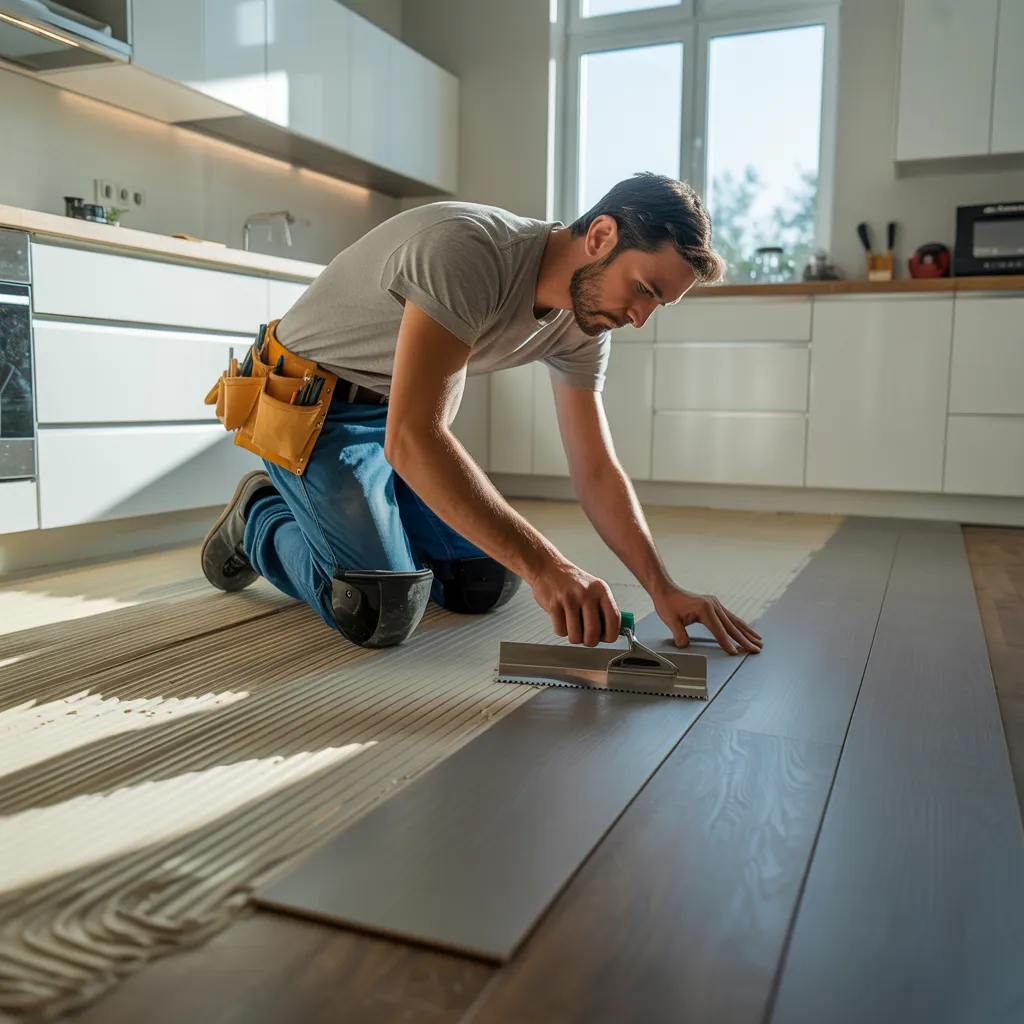
When deciding between DIY and professional installation for hardwood flooring, homeowners often wonder which option best suits their needs and budget. DIY installation can be an economical option, allowing homeowners to save on labor costs. That said, it calls for an adequate skill set, appropriate equipment, and a dedicated time commitment. Errors made during the installation process can result in expensive fixes or early deterioration.
Conversely, hiring professionals ensures a high-quality finish, as experienced installers have the skill to tackle any challenges that come up. They are also able to offer quality guarantees, giving confidence concerning the lasting quality of the installation.
At the end of the day, the determination rests on the homeowner's trust in their own capabilities and the overall scope of the work involved. For homeowners with little experience or those seeking a perfect outcome, professional installation may be the wiser choice, yet skilled DIY enthusiasts may discover both fulfillment and financial advantages in handling the work themselves.
Common Questions and Answers
How Long Does Hardwood Flooring Typically Last?
Hardwood flooring commonly endures between 20 to 100 years, influenced by the wood type, care routine, and how well it was installed. Regular care can greatly extend its lifespan, making it a reliable and sturdy selection for a wide range of homes.
Can Hardwood Floors Be Refinished Multiple Times?
Absolutely, hardwood floors are generally able to be refinished multiple times, subject to the depth of the wood. Every refinishing session removes a thin layer, so retaining adequate material is crucial to secure lasting durability.
What Is the Ideal Method for Caring for Pets on Hardwood?
To protect your pets on hardwood, frequently sweep or vacuum to eliminate dirt and hair, use mats in high-traffic areas, and quickly clean up spills. Consider using pet-friendly finishes to improve durability and avoid scratches.
Are There Eco-Friendly Hardwood Options Available?
There are eco-friendly hardwood options available. Responsible sources like bamboo and reclaimed wood work to reduce environmental impact. Standards such as FSC certification help guarantee responsible harvesting, making it a greener choice for eco-conscious consumers looking for beautiful flooring solutions.
How Does Humidity Impact Hardwood Flooring?
Humidity plays a major role in practical tips affecting hardwood flooring, resulting in expansion during high humidity and contraction during low humidity. These changes can result in gaps, warping, and various structural problems if not carefully managed and maintained.